Table of Contents[Hide][Show]
Dan Houser revealed that Grand Theft Auto III was a deus ex machina for the game’s publisher, Take-Two Interactive.
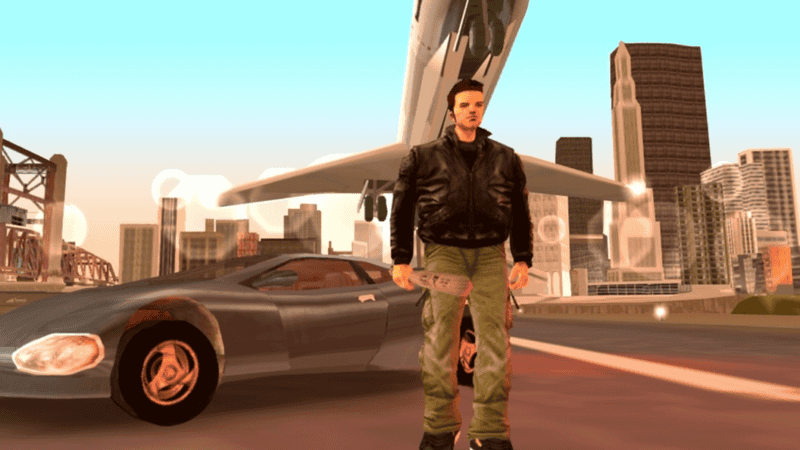
Dan was asked in the recent IGN interview about the game. He asked if Rockstar saw the moment that Grand Theft Auto III became a momentum generating juggernaut.
As it turns out, the game saved them from the brink of bankruptcy. Dan said this:
Well, you know, it was a transitional moment for everyone working on the project and for Take-Two as a company. Take-Two, I think, had been delisted from the stock market in September or August of uh 2001. It was going broke. Yeah.
They didn’t have even enough money to make enough copies of the game. We couldn’t make it quick enough and the game just kept selling.
So, it began well and just kept rolling through the end of uh that Autumn into Christmas. And it kept selling into New Year and we kept thinking it would stop. It just never stopped.
That sounds like an incredible story on its own. But to understand how they got there, we need to understand the story of Take-Two, the juggernaut that almost stopped existing in 2001.
Take-Two Interactive Before Rockstar And Grand Theft Auto
Take-Two was one of many newly launched video game companies in the 1990s. It was founded by Ryan Ashley Brant, son of industrialist Peter Brant.
In spite of Brant’s clear connections, Take-Two started very small. It started out as a developer of FMV games like Hell: A Cyberpunk Thriller.
The defunct GameTek and the original Acclaim published their games before they did it themselves. The first games they did publish were the likes of Wheel of Fortune and Jeopardy for the Nintendo 64.
Most gamers won’t remember their first titles by name. But Brant was able to make Take-Two successful enough to buy DMA Design and the blueprints for Grand Theft Auto from BMG Interactive.
Brant even took the company public before buying DMA. So how did Take-Two hit the brink of bankruptcy in 2001?
Take-Two’s Founder And His Infamous Exit
The SEC lists a case on their site where they successfully sued Take-Two for accounting fraud. The case was settled in 2005 with Take-Two paying a $ 7.5 million penalty.
We’ll quote the relevant parts of this case below:
On October 31, 2000, Take-Two’s fiscal year-end, Blau arranged a shipment of 230,000 video games to Capitol with the understanding that the shipment would be returned.
Take-Two improperly recorded $5.4 million in revenue from the shipment – which at that time was Take-Two’s largest sale ever. Capitol subsequently returned the entire shipment.
Blau refers to Take-Two’s Vice President of Sales at the time, Robert Blau. The SEC also found Brant liable whether he was aware of this fraud or from neglect.
Brant stepped down as CEO of Take-Two in 2001, around the same time that Rockstar was changing all their fortunes. He would eventually leave the company in 2005 after the SEC’s verdict.
In spite of Brant’s infamous exit, his mark on Rockstar, Take-Two, and the video game industry is indelible. Tragically, he passed away at the age of 49 following cardiac arrest in 2019.