
It wasn’t too long ago that we saw Sony make a prominent statement. They wanted to get into the live service gaming marketplace in a big way. That included a major purchase with Bungie, the creators behind the Destiny franchise. However, not all of their efforts paid off. One of which had become a meme for its failure. Now, PlayStation has crafted even stricter guidelines for its studios to follow.
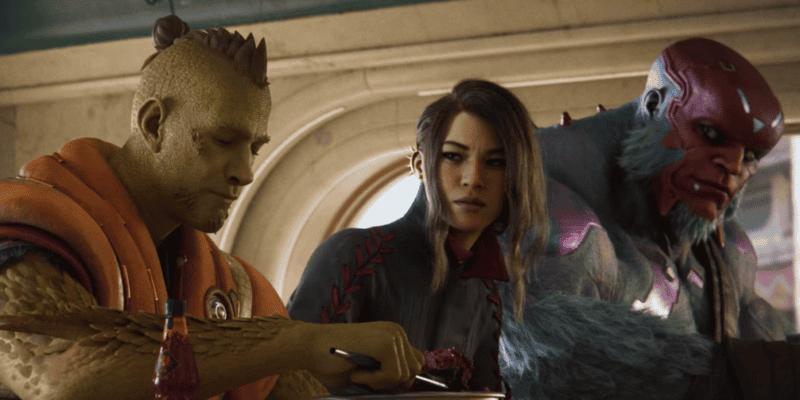
The gaming community might never get over Concord. This was a massive budgeted live service game that PlayStation was pushing. However, it was released at a terrible time because of the numerous alternatives in the marketplace. As a result, it was only two weeks after release that Concord was shut down along with its studio, Firewalk Studios. Now it looks like Sony has worked out a way to hopefully dampen the blow from game projects that fail to capture an audience and, more importantly, cost Sony a ton of money.
Hermen Hulst Reveals What Is Changing For PlayStation Studios
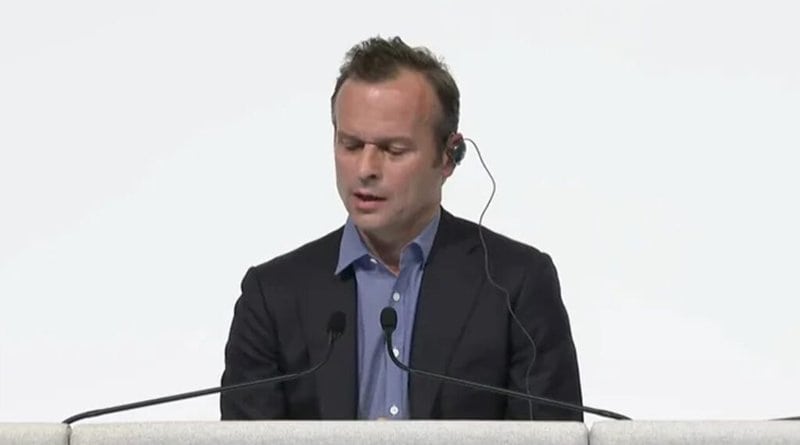
Hermen Hulst, the CEO of Sony Interactive Entertainment’s Studio Business Group, recently spoke with the Financial Times. During the conversation, it was hard not to focus on the failure that was Concord. Likewise, there’s a wonder at the number of projects that Sony previously aimed to deliver for live service gaming.
Hermen noted that Sony doesn’t want their first-party studios always to play it safe. However, at the same time, they do want these failures to happen early in development. As a result, a new set of vigorous tests has been rolled out that will allow for more chances to identify potential issues. There’s also a push for teams to learn from each other and to have a closer relationship between the top executives. With those guidelines in mind, Sony might not only save a considerable amount of money but also deliver thrilling gameplay experiences.
Meanwhile, the specific number Sony was previously boasting about for live service games is no longer a thing. Hermen isn’t worried about how many live service games they have, but instead about having a diverse set of player experiences and communities.
Of course, another attribute that PlayStation is pushing is new IPs. It looks like Sony wants to ensure that when a new IP is crafted, it’s also considered in what ways it can turn into a major franchise. Now we’ll just have to wait and see if this new set of rules and regulations within PlayStation’s first-party studios actually results in new gameplay experiences that players will enjoy.