
Table of Contents[Hide][Show]
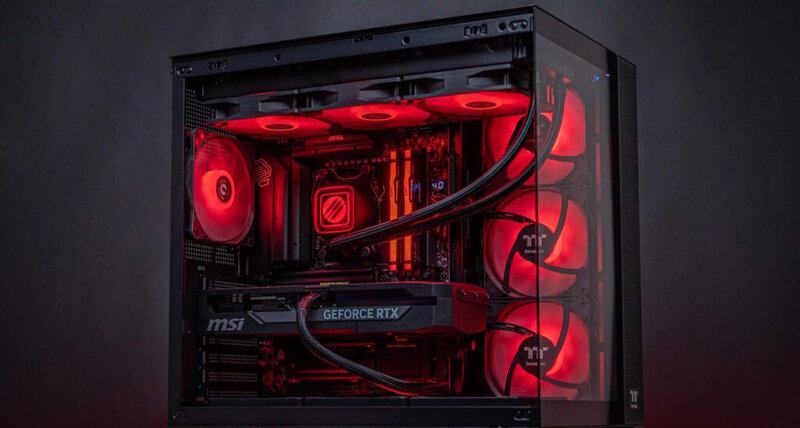
In the gaming world today, there are two types of machines that dominate: Consoles and PC. There was even a “war” between them that technically still exists today, but it’s more about just trying to get games to play their best, more than anything. For those who are dedicated PC gamers, you need to be ready for all that comes with such gaming practices. If you’re not prepared, your PC either won’t play the games, won’t play them well, or could straight-up die from the stresses you put them under. Allow us to help you keep off that path.
#1 – Having The Right Rig

Let’s start off with something obvious, okay? As we noted, having the right gaming rig can literally be everything to PC gamers. If you don’t have the right one, you won’t be able to play the games you want to the level you want. However, given that gaming is an ever-changing thing, and new technologies, especially for PC, come out on the regular, you might be confused about where to start, and how you can possibly keep up with everything that’s happening.
The first thing to note is that you DON’T need to be one of those gamers who have to optimize everything to the maximum level and then continuously upgrade every bit and part so that your rig runs as “peak efficiency.” That’s only for the most dedicated of players, and even then, it’s one of the most expensive things you can do in the gaming space. It’s not for everyone, and that’s okay.
In contrast, though, you’ll find plenty of videos online that can help you build the proper PC to do the gaming you want to do. Yes, you will likely face a few upgrades in the future when certain games come out, but not as many as you might think. Sure, if you want to play Naughty Dog tales that they’ve been remaking/remastering recently, you’ll need something pretty high-end, but if you’re wanting something that’ll simply meet the “minimum requirements” or play just a little bit better than that, you’ll be fine with choosing good, cost-friendly options that’ll allow you to play games without going broke.
Heck, you might even know someone who might be able to straight-up build you a PC so that you don’t have to worry about scrolling through all the stores to see what parts are available. Speaking of stores, there are ones that happily offer gamer PC options, with everything built in!
The point here is that you have options. Those options will help you get the right rig so that when you’re ready to game, you don’t have to worry about your computer not being “up to snuff” and such.
That being said, you can do some other things to further ensure you’ll be okay.
#2 – Optimization and Maintenance

While much of what makes PC gaming…PC gaming has to do with hardware, but the software is just as important a thing, if not more so in some cases. The hardware can’t function if the software isn’t there to back it up. That means even if you get a custom-built, or store-guaranteed, PC rig for gaming, you need to handle things on your end to ensure that bad things don’t happen to it after you do serious gaming sessions.
The first and easiest thing to do is to perform some simple optimization procedures to ensure that everything is working great. For example, every gaming rig worth its salt has a bunch of “drivers” attached to its graphics card and certain other things to help things go smoothly. Do regular checks to ensure that your drivers are up to date. If you don’t, you could experience issues that weren’t there before.
If you’re running a recent version of Windows, another thing you can do is activate “Game Mode,” which will help streamline things within your rig so that the video game you’re playing is the focus, while certain “background features” are minimized or silenced for the time you’re playing.
Another thing you can do is ensure that programs you don’t use often or never use aren’t running while you’re gaming. That might seem obvious, but computers have a bad habit of running things upon startup that weigh your computer down until you intentionally shut them off.
On the maintenance side of things, you’ll want to check your computer every once in a while to ensure that the system’s fans are working properly, there isn’t a bunch of dust and cobwebs within the rig, and so on. Don’t be afraid to take things to more official PC places to get cleanings and “touch-ups.” The worst thing you can do is make things worse instead of better by trying to do everything yourself.
Simple steps can go a long way, so be mindful of that.
#3 – Be On The Lookout For What’s Next

Here’s the thing. While PC gaming is arguably the best when it comes to “bringing out the most from games,” it’s sometimes incredibly difficult, or expensive, to reach that point personally. That being said, video game developers and publishers don’t feel those constraints because they’re developing their games on the best rigs they can. It’s literally part of their work budget.
The point is that things are always advancing in the PC space. It’s a big deal in the tech world when Nvidia goes and announces a new graphics chip, or a new processor is revealed to be faster than anything else out there.
For the gaming side of things, developers/publishers are often pushing the limits on what can work in the gaming space, and thus, the minimum and maximum requirements for gaming continue to shift. As such, you’ll need to be mindful of these shifts and then occasionally check your own PC stats to see if they match up. Remember, you don’t need to be maxed out for every game that you play. Instead, you’ll want to focus on ensuring that your rig can match the minimum and be a bit above that. There’s nothing wrong with ‘a good middle ground’ for gaming.
When you feel that your PC “isn’t up to snuff,” you can pick and choose which parts to upgrade so that you can be “good to go” for the next wave of gaming, or you can try to save up and buy an entirely new rig. It’s entirely up to you.
As long as you’re getting to play games the way you want, the paths you choose to get there aren’t truly important.