
The SAG-AFTRA voice actor’s strike seems to be set to end after ten months. PC Gamer reported that the strike has been suspended after the union reached a tentative deal with the ten video game companies they were engaging with a strike against. However, it appears that this was not the whole story behind the strike.
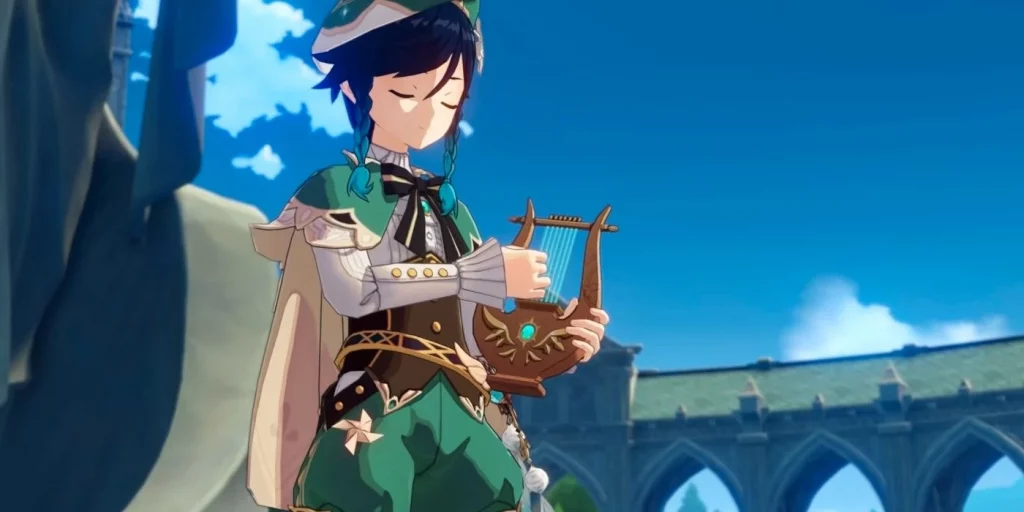
As we reported two weeks ago, voice actress Corinna Boettger, who played Paimon in Genshin Impact, quit her job in the fallout of a controversy that led their fan community to question why their voice actors seemed to be joining the strike, even if Genshin Impact and its publisher Cognosphere/Hoyoverse was not part of the strike itself.
That came from a video by YouTuber Mujin, who has a follow up video today with an even more explosive revelation. Mujin alleges that SAG-AFTRA was unnecessarily sitting on the negotiations, making it harder for workers and the companies to strike a deal. As you may remember, this strike has been going on for nearly ten months. In real life, this means many SAG-AFTRA voice actors have not been working for all those ten months.
Given the high dues both official SAG-AFTRA members and also Fi-Core workers have to pay to the union, this amounts to SAG-AFTRA claiming to work for the interest of the workers, while blocking them from actually working. But it’s even worse than that, because as some of those voice actors were starting to tell the public, they were starting to get replaced by voice actors that these struck video game companies hired outside of the US, and SAG-AFTRA’s jurisdiction. In particular, these companies were starting to hire UK voice actors instead.
And we know that SAG-AFTRA members have actually not been working because one of them spoke out. Erika Harlacher-Stone, who voices Venti for Genshin Impact, revealed to fans that she has been receiving threatening letters from SAG-AFTRA for trying to go back to work for the game. She also revealed that she was not even able to vote on joining the voice actor strike. As a reminder, Genshin Impact is not actually part of the strike, so these actions they were taking against a member as if she was working on a struck video game raise red flags.
Mujin also goes into some allegations stemming from a source who both gave him direct information and shared screenshots from an alleged Discord server. These messages raise a lot of red flags as well. As best as we can tell, no specifically damning evidence of wrongdoing has emerged, even if one can detect bad actors. We’ll defer to Mujin’s video if you’d like to review and decide for yourself here.
Mujin was able to tally that the voice actors themselves were expressing public dissatisfaction with SAG-AFTRA’s inaction, particularly after the video game companies provided their best and last offer to end the strike. Other unions that SAG-AFTRA were managing were able to get deals much quicker. Once again, given that video game voice actors had been out of work for ten month, it’s become a life-changing situation for many of them. This was the reason that SAG-AFTRA reportedly agreed to suspend the strike, with the connotation that they intend to restart it in the future. However, now that the spotlight has moved towards the union themselves from their own members, we aren’t sure if they will really be able to follow through on this.
While our reporting has been critical of SAG-AFTRA, we do recognize that many voice actors remain dependent on them to protect their rights and benefits. This spotlight seems necessary to make SAG-AFTRA’s leadership accountable to their members and the public, so that we can transparently see that they’re acting in good faith and their members’ best interests. We hope that these striking voice actors can get the protections and benefits that they need from their unions and the companies they work for.