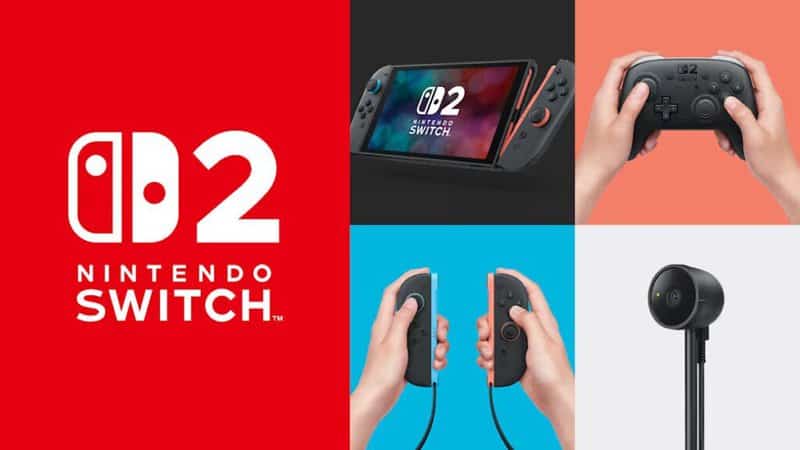
Pop quiz. What’s the hottest console on the market right now? Answer: the Nintendo Switch 2. That shouldn’t have been a hard question if we’re being honest here, but there it is. The console has been anticipated for a long time, and now, things are finally popping with it. The system had a huge launch, selling about six million consoles in its first month, which is a world record. Then, in July, thanks to the efforts of Donkey Kong and Pauline, the Switch 2 already has its first Game of the Year contender. Things are coming together for the console, and we’re not even three months in. Yet, things are still being fairly asked of the system, including by those who love indie and co-op titles and want to know what the Switch 2 will offer them. Is it a “game-changer” for the two gaming communities? We’ll break it down for you.
Positive #1 – Nintendo Is Clearly Still Showing Off Indie Games Regularly
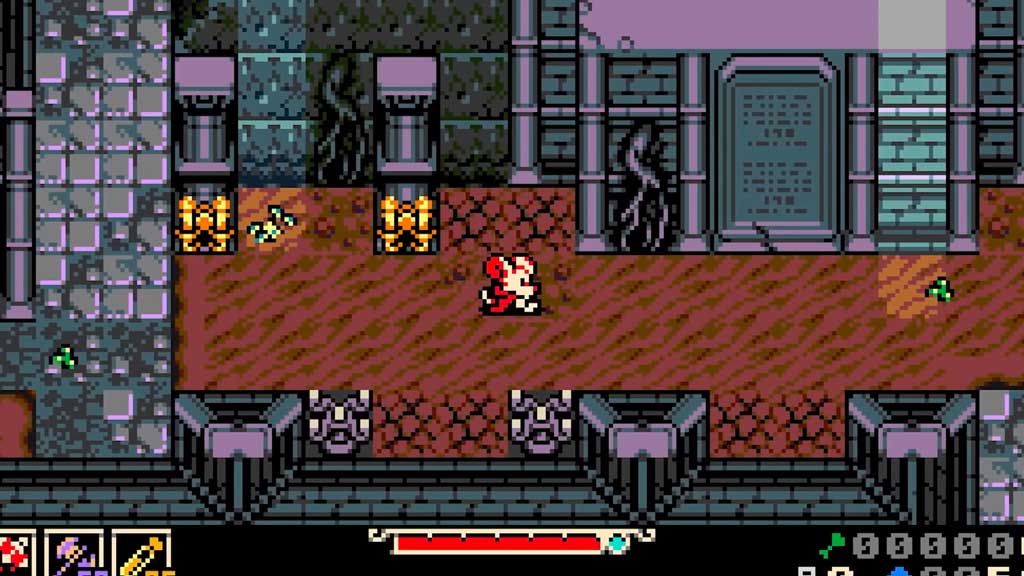
If we’re being a bit blunt, you could very easily say that the Nintendo Switch 2 isn’t the “game-changer” for the indie community, but its predecessor was. The reason we say that is, before the Switch, Nintendo only had SOME interactions with the indie dev crowd. The Wii U started the connections between the two, but it was the Switch that came in and delivered the goods on many levels. Just look at all the Indie World presentations that have happened since 2017. There are at least two to three a year, and each one attempts to highlight the many unique developers that are out there in the world who are creating beautiful things that you might not see if it weren’t for Nintendo.
Now, yes, the Switch/Switch 2 aren’t getting all these indie games exclusively, but that’s also not the point. If you think about other attempts by the other two console makers, you’ll know that indie games have a “presence” with them, but it’s not exactly the most prominent thing around, especially nowadays.
Meanwhile, even with fans all but BEGGING Nintendo to bring out a new Nintendo Direct that addresses ALL of its upcoming big titles, they decided to do an Indie World showcase recently, because it’s clearly important to them.
The reason that’s important to state is that, to be blunt once more…they don’t NEED these indie games on their system. The Switch has the greatest 1st-party gaming lineup out there, and they had plenty of 3rd-party exclusives that sold incredibly well. Indie games are just “sprinkles on the icing” of their money-filled cake, but that’s not the point. Nintendo still pushes the indie titles with great care, even when they’re not exclusive, and that highlights to the indie developers that no matter what sales they get on the Switch or the Switch 2…they have someone watching their backs and trying to get their names out there.
Positive #2 – More Power + More Consoles = More Potential New Sales

The video game industry is unironically built upon a single piece of foundation: numbers. Crass? Perhaps, but it’s the truth, and recent history points that out in an oh-so-ironic way.
You see, nowadays, most companies want their gaming titles to sell as many units as possible, or else they’ll be dubbed as “failures,” or that they have “underperformed,” and so on and so forth. For indie titles, things are a bit more honest on the sales front. Sure, everyone would love to have Cuphead levels of success, but as long as they break even and get enough money to start a new project, they’re happy more times than not.
That being said, the number of systems their games are on, and the audience they can reach still matter, which brings us back to the Switch and Switch 2. One of the reasons that the Switch was an “indie machine” was that it kept selling consoles in great numbers, and the fact that indie games could be played on the go meant that people weren’t restricted like they were in previous console generations when it came to enjoying titles.
The Nintendo Switch 2 has already sold 6 million units, and is likely past 7 million at this point, and the numbers are projected to keep going up, especially since some big-name games are still upcoming for 2025. That gives incentive to indie devs to capitalize on the Switch 2’s success, and the fact that there aren’t too many exclusives out there. By giving people “something new to play,” they encourage them to buy their title, even if it is “just an indie.”
Plus, as many devs are finding out, there are plenty of new perks and advantages to the Nintendo Switch 2, including greater graphical and processing power. That means that these indie teams can push their games even farther on the Switch 2, and make it easier to port both to and from the system to other machines. Again, numbers matter.
Add in the camera and GameChat feature, and the Switch 2 has a lot to offer indie developers.
Positive #3 – Upgrades Help Co-Op Play
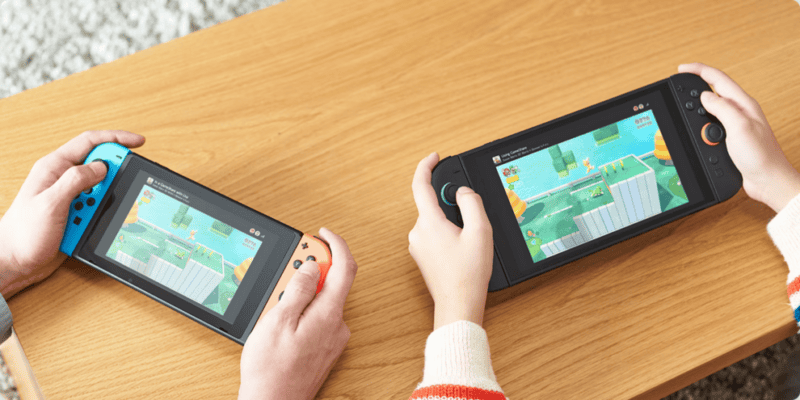
Finally, let’s talk about co-op play, because that’s something that has been truly growing in recent years, especially among certain developers and publishers. We can think of one publisher in particular who loves co-op games so much that they exclusively make them.
Anyway, while the Switch could “handle” co-op titles, it had some technical drawbacks that hindered it greatly. The Switch 2 has very few drawbacks on that front, as proven by games like Split Fiction. There are other elements to consider here, too, such as the fact that the Joy-Cons have been vastly upgraded to be bigger and more responsive. That means that the method of giving one player one Joy-Con and having the other control their character with the other is now easier than ever, especially because of the bigger buttons.
But wait, there’s more! Another new feature of the Switch 2 is the “GameShare” feature, which allows a person on one Switch 2 to literally “give a game” to another person who has either a Switch or a Switch 2, depending on the game title, of course. This allows for a whole new level of co-op, because now, you’re able to play on two different systems instead of on one!
That can open up lots of possibilities, and could encourage people to share indie games with their friends, which in turn could lead to more sales.
It all adds up in the end, and that highlights why the Switch 2 is such a special system despite “just being an upgraded Switch.” The upgrades matter, and if indie devs benefit from this? Then that’s even better.